

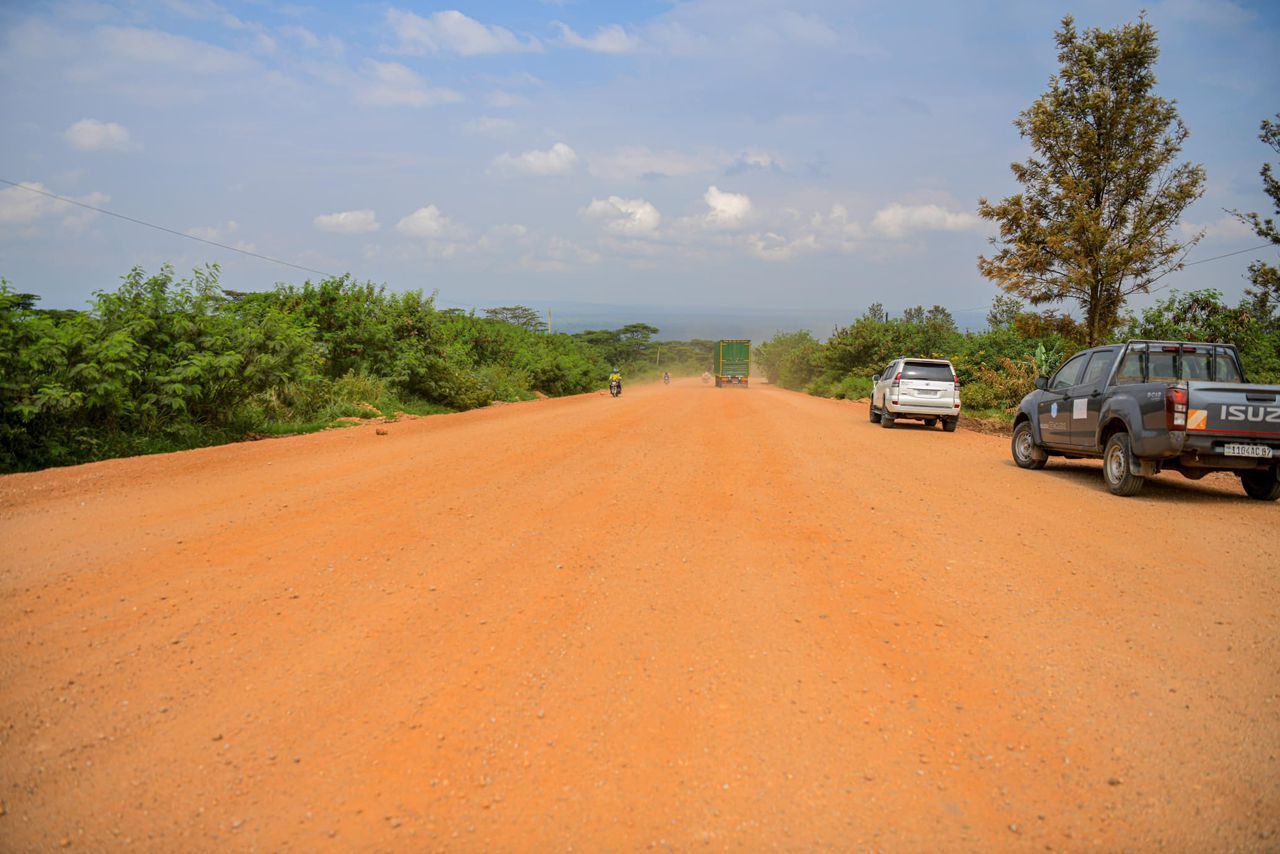
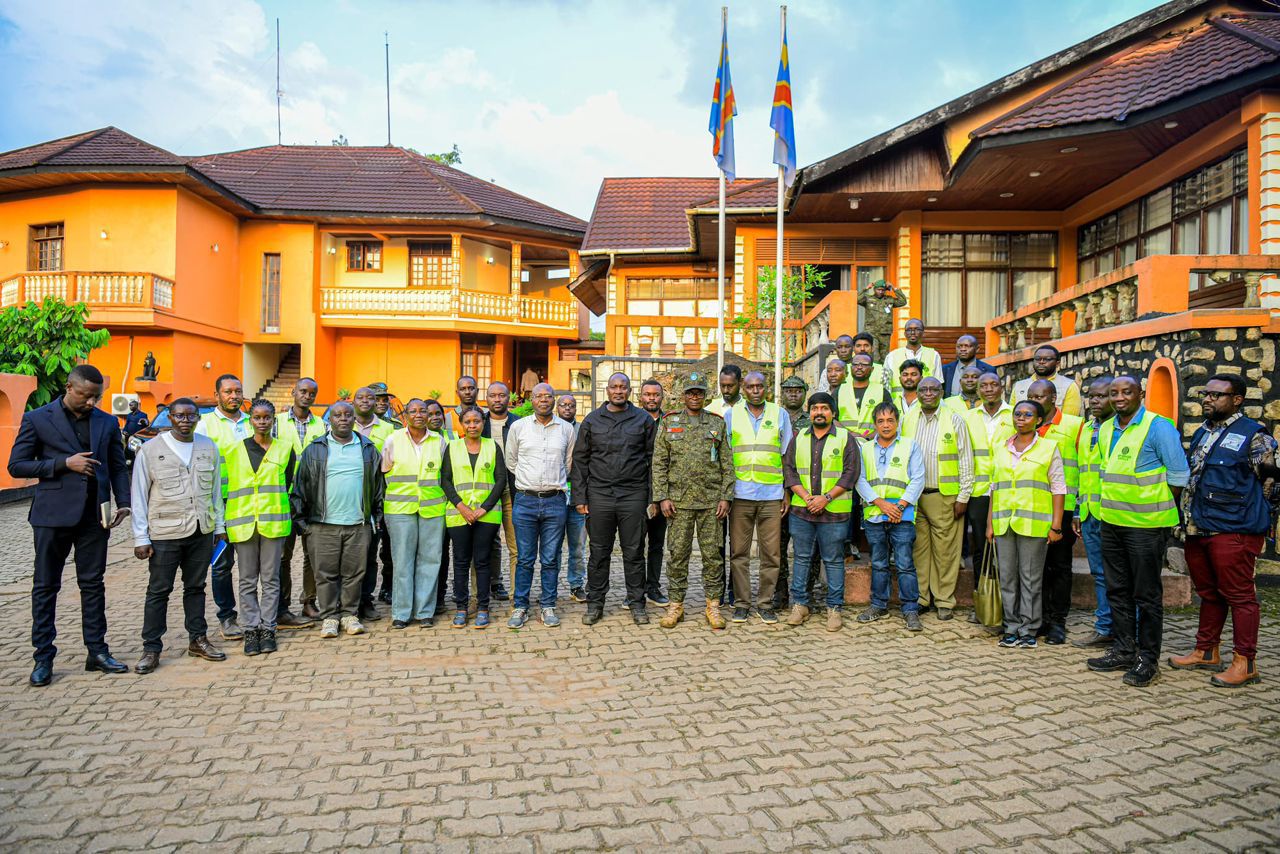
A high‑level delegation from the Ministry of Works and Transport, led by Ambassador Farid Kaliisa, this week embarked on an intensive field inspection of the phased road development projects linking Uganda and the Democratic Republic of Congo.
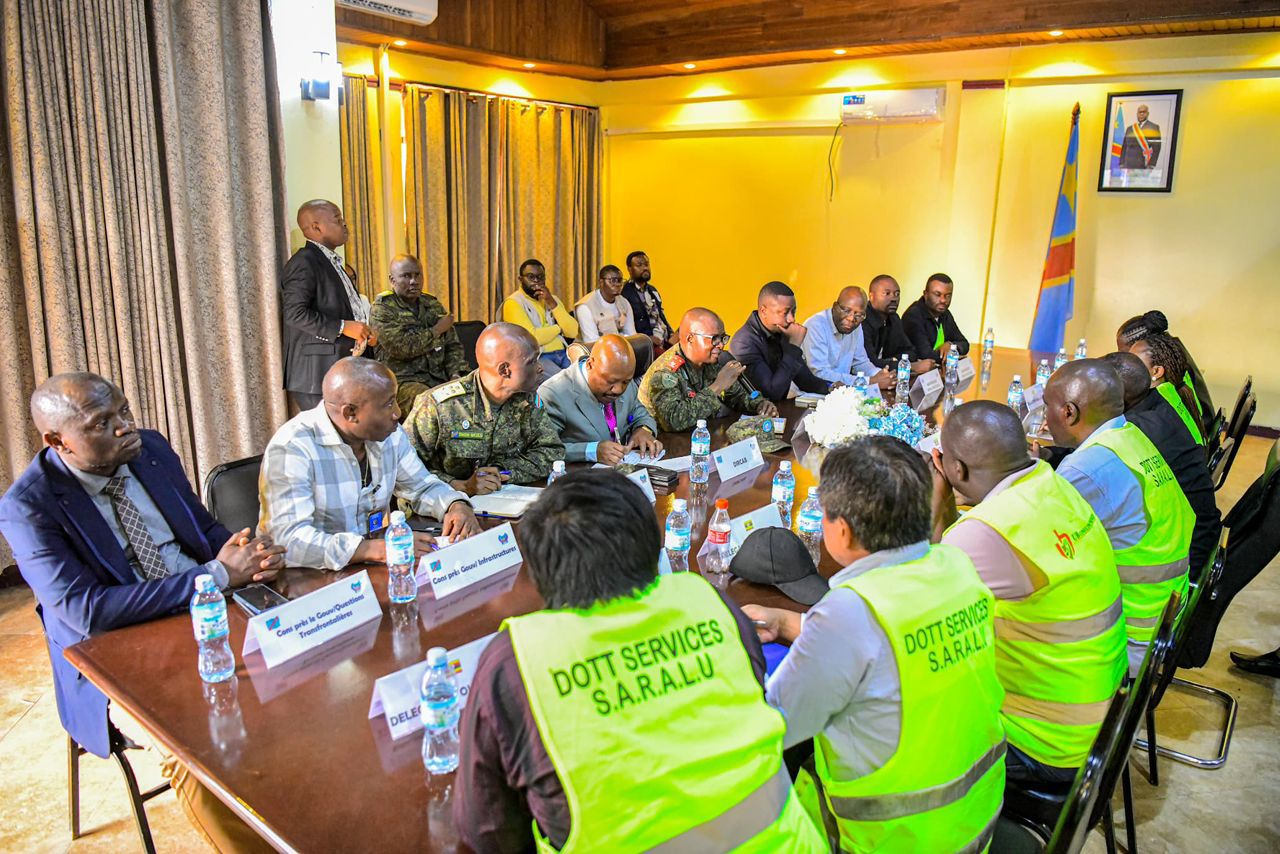
The mission, which started at the Mpondwe/Kasindi border, culminated in a comprehensive meeting with North Kivu Governor, Major General Evariste Somo Kakule, underscoring both nations’ commitment to regional integration and economic cooperation.
The focal point of the visit was the pivotal Mpondwe/Kasindi–Beni (80 km) and Beni–Butembo (54 km) road corridors in North Kivu Province. These roads, once completed, are expected to transform cross‑border commerce, improve people‑to‑people connectivity, and foster security and investment in the wider Great Lakes region.
Physical progress on the Kasindi–Beni axis currently stands at approximately 61.21 percent, while the Beni–Butembo segment has recorded about 5.21 percent completion, reflecting steady albeit challenging advancement.
The Uganda government is investing in road construction inside eastern DR Congo as part of a broader regional infrastructure and trade initiative.
The project covers approximately 223 kilometres of key cross‑border roads, including routes from Kasindi to Beni, Beni to Butembo, and Bunagana to Goma, with Uganda contributing around 20 percent of the total cost, equivalent to roughly $65 million.
Discussions and planning for the project began around 2019, with formal agreements signed in 2020 and construction works commencing in 2021.
The impetus for the initiative is rooted in the shared objectives of the Common Market for Eastern and Southern Africa (Comesa), of which both Uganda and DR Congo are members.
In line with Comesa’s goals, the two states pledged to promote joint development in all fields of economic activity, raise the standard of living of their people, deepen cooperation, and create an enabling environment for foreign, cross‑border and domestic investment.
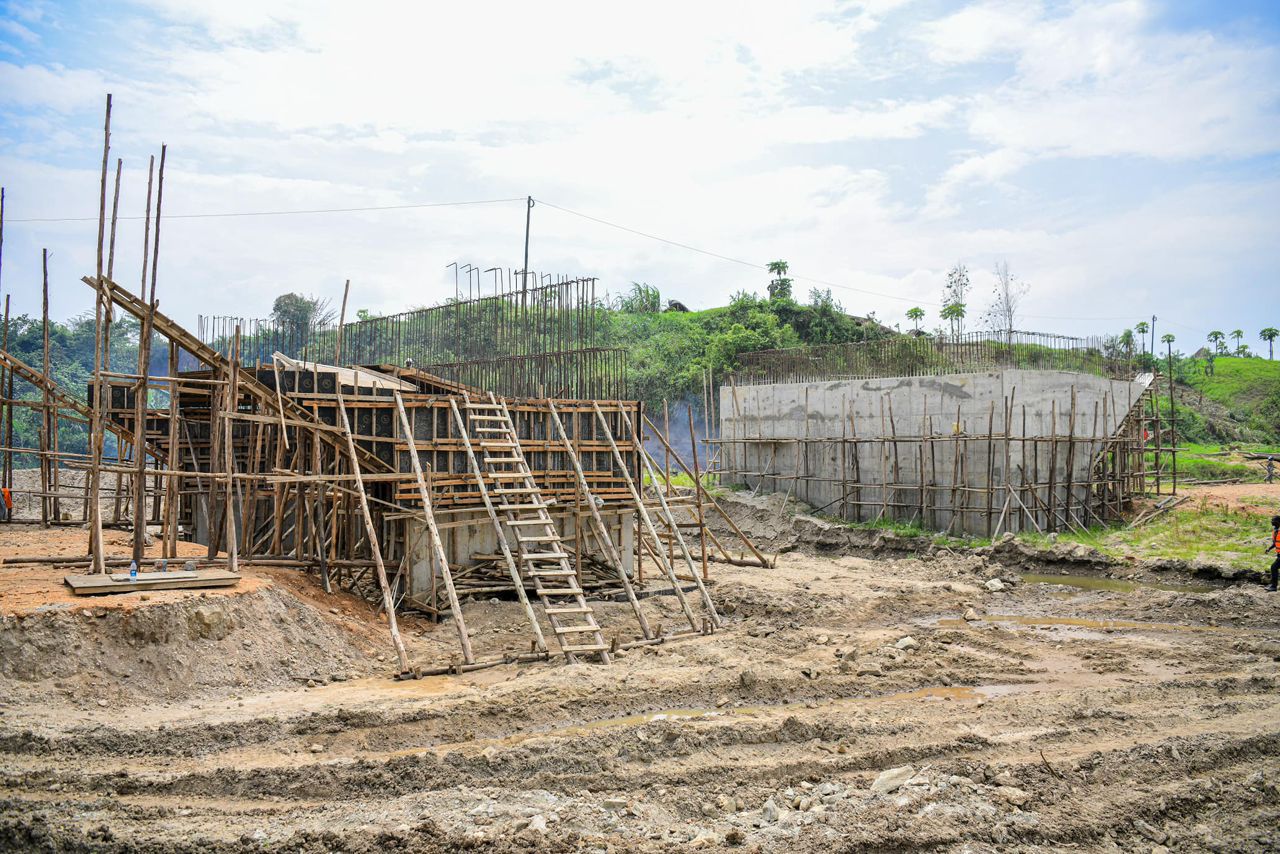
The road works are seen as critical infrastructure to achieve those aims, bringing markets closer and laying the groundwork for sustained economic growth.
The Mpondwe/Kasindi–Beni Road begins at the Uganda–DRC frontier and connects to the major Beni–Komanda–Kisangani corridor.
On the Ugandan side, it links to the Kikorongo–Bwera–Mpondwe road, a paved route that is itself due for rehabilitation.
Uganda has already funded and nearly completed the construction of the Mpondwe/Kasindi Bridge, a crucial link that will ensure seamless transit once the road upgrades are complete.
At Beni, connectivity extends further into DR Congo’s interior, facilitating trade and movement toward other economic hubs.
The Beni–Butembo Road, spanning 54 kilometres, starts at the end of the Mpondwe/Kasindi–Beni stretch in Beni Town and terminates in Butembo, one of North Kivu’s foremost commercial centres with substantial markets and an airport.
From Butembo, the road feeds into the Butembo–Goma main corridor, reinforcing its strategic significance for regional mobility and commerce.
The phased design‑and‑build project initially prioritised emergency interventions to establish all‑weather gravel standards with adequate drainage and bridge works, making the roads motorable and safer.
Phase Two will see the roads upgraded to dual‑lane asphalt concrete standards, alongside the construction of toll and weighbridges.
Contractor DOTT Services has already set up an asphalt production plant, signalling imminent commencement of paved works within the next three months.
The project, which was officially launched with a ground‑breaking ceremony in June 2021 officiated by the heads of state of Uganda and DR Congo at Mpondwe, has faced a number of logistical and security challenges.
Instability in parts of eastern DR Congo has intermittently restricted working hours, while heavy rains, land acquisition delays and delayed site possession have also slowed progress.
Despite such hurdles, Governor Kakule expressed optimism about the initiative’s potential to transform the lives of communities on both sides of the border.
“We are extremely happy with the progress made this far and look forward to more effort in developing this road,” Kakule said.
“This will be very key in transforming the lives of our people in North Kivu and across the border.” He added that the National Speaker of DR Congo Assembly in Kinshasa had visited the project site and was impressed by the progress.
Uganda also plans to support the construction of the Bunagana–Rutshuru–Goma road network in South Kivu Province, reflecting a broader commitment to enhancing connectivity in eastern Congo.
Beyond economic considerations, the road network project is viewed as part of a wider strategy to make eastern DR Congo more politically stable and economically viable, dovetailing with Uganda’s contributions to Operation Shujaa in Ituri, where Ugandan forces are working alongside the Congolese army to counter the Allied Democratic Forces (ADF) rebels.
Uganda justifies this investment as a strategic move to boost trade and economic ties with the DRC. Improved roads in eastern DR Congo are expected to reduce transport costs, facilitate smoother movement of goods, and expand market access for Ugandan exports.
While critics question why funds are being spent outside Uganda instead of on domestic road projects, the government frames it as a long‑term investment that will benefit Uganda’s economy by opening up trade corridors, enhancing regional integration, and strengthening bilateral relations with its neighbour.
It is a perspective that underscores the broader regional vision driving the project, rooted in economic pragmatism and shared prosperity.
As the fifth steering committee meeting gets underway at the Munyonyo Convention Centre to assess progress and chart the way forward, stakeholders from both countries remain focused on overcoming existing challenges and delivering on the promise of a more connected, secure, and economically dynamic East Africa.
